










Before you leave...
Take 20% off your first order
20% off
Enter the code below at checkout to get 20% off your first order



Rings
Earring
Mangalsutra
Necklace
Bracelet
Chain
Pendant
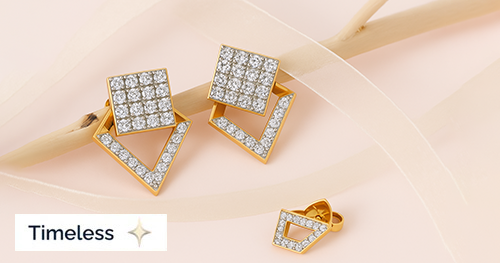
Gold Palace was a very early online jewelry website. We've stood the test of time by releasing iconic, top-quality styles.
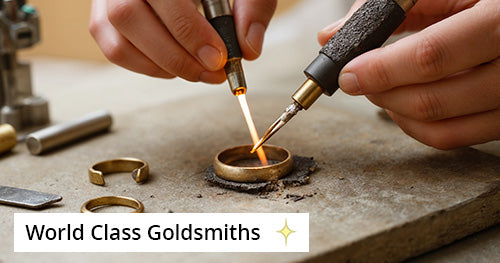
We specialize in curating heirloom investment-grade works. You'll treasure your Gold Palace jewels for a lifetime.
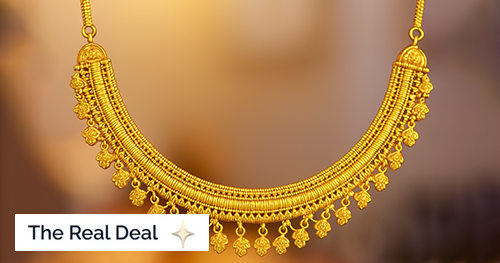
All of our jewelry is 100% authentic, guaranteed. Everything we sell is composed of the finest quality materials.
Thanks for subscribing!
This email has been registered!
Take 20% off your first order
Enter the code below at checkout to get 20% off your first order
I gifted these beautiful earrings to my wife and they look fabulous on her. Thank you Gold Palace!
Nice shimmer, high quality and fast shipping. Highly recommend!!!
Mom really likes the cross!